Renting a Car in Peru: Our Road Trip Tips
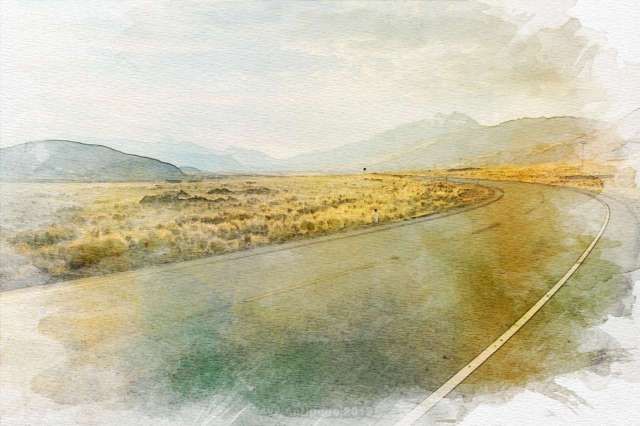
Pulling over on an Altiplano road to watch a herd of alpacas cross. Stopping for coffee in a village that was never on the plan. Watching Arequipa's volcanoes fade in the rear-view mirror, then Lake Titicaca appear around a mountain bend. Driving in Peru means choosing your own road and your own pace, through some of the most spectacular landscapes in South America.
It is also a rather special way to travel. Distances are long, Peruvian driving has a character all of its own, and road signs are few and far between. A road trip in Peru is ideal if you are used to driving in developing countries and speak a little Spanish. With that experience and good preparation, it is an unforgettable adventure.
Our favorite route: the great southern loop
Southern Peru is made for driving.
Arequipa, the White City
The perfect starting point: you get your bearings gently, at 2,300 m, at the foot of El Misti volcano.
The Colca Canyon
You have to earn it. The road climbs to the Patapampa pass, at nearly 4,900 m, between snow-capped volcanoes and wild vicuñas, before dropping down to the canyon's farmed terraces and soaring condors.
The Altiplano and Lake Titicaca
Endless straight roads, lagoons dotted with flamingos, then Puno and the islands of the lake.
Cusco and the Sacred Valley
The road winds past Andean villages to the old Inca capital. For Machu Picchu, you leave the car behind and take the train.
This is the route of our trip Through the Andes by Car (12 days): you drive, with a detailed personalized roadbook, hotels booked at every stop and a guide for your day in Machu Picchu. The freedom of a road trip, with the peace of mind of a team on the ground.
Our driving tips
Avoid driving in Lima. Traffic there is chaotic. Explore the capital with a driver and start your road trip from Arequipa or Cusco, where the car can be delivered to you.
Never drive at night. Roads outside towns are poorly lit and poorly signposted. Plan your days to arrive before 6 pm, when it gets dark all year round.
Take your time. Distances are longer than you think, and mountain roads demand concentration. Keep your daily drives reasonable, with time for photo stops. See the distances between cities in Peru.
Go with the flow. Collectivos, buses and taxis have their own rules, and the horn is mostly used to say "I'm here". Stay calm and alert, and slow down entering villages, where speed bumps are everywhere.
Listen to the altitude. Go up gradually, drink plenty of water, and do not drive if you feel symptoms of altitude sickness.
Fill up in town. Gas stations are scarce on the Altiplano. Keep some soles in cash for the tolls too.
Download an offline map before you leave, and don't hesitate to ask for directions: Peruvians are always happy to help.
Paperwork in brief
To rent a car you must be at least 26 (drivers aged 20 to 25 can rent with a surcharge), with your national driving license, an International Driving Permit, your passport and a credit card for the deposit. The contract is signed directly with the rental company, and the car cannot leave Peru.
Basic cover includes third-party liability and a deductible for damage or theft. The underbody, tires and windows remain your responsibility. We explain everything in detail when we plan your trip.
When to go
From April to November, mountain roads are dry and skies are often clear: the best season for a road trip. From January to March, in the rainy season, choose an SUV or a 4x4. See When to go to Peru.
Not sure about driving?
A trip with transfers and guides lets you enjoy the same landscapes without the strain of the road. You can also mix the two: a few days behind the wheel in the south, then the rest of the trip with a guide. Let's talk about your trip.


